Tag Archives: tomatoes

The Italian Kitchen (Part 2)

Today’s  post on The Italian Kitchen is going to be a glossary of some basic Italian kitchen ingredients. Most of them will be familiar to everyone but this will give a little information about each of them.

Arborio Rice: Risotto is usually made with this Italian rice, though other rice can be used. Risotto is Arborio rice that is browned first in margarine, butter, or oil, then cooked in broth. The finished rice has a creamy consistency and a tender, but slightly firm, texture.

Artichokes: You should look for firm, compact globes that are heavy for their size. They should yield slightly to pressure and have large, tightly closed leaves. Sometimes you’ll see leaf edges that are darkened. This is because the plant got too cold but it does not affect the quality. To store, keep fresh artichokes in a plastic bag in the refrigerator for up to a week. To prepare an artichoke, cut off the bottom stem so it sits flat. Cut off about 1 inch from the top. Remove loose outer leaves. With a pair of kitchen shears, snip ½ inch from tips of leaves. Brush cut surfaces with lemon juice to prevent browning.

Balsamic Vinegar: This sweet, dark brown vinegar is made from the boiled-down juice of a white grape. According to Italian law, balsamic vinegar labeled as “aceto balsamico tradizionale” cannot contain any wine vinegar and must be aged at least 12 years. These vinegars can sell from $40-$350 per 4 ounces!! Less expensive balsamics blend wine vinegar with the grape juice. This is what most of us buy at the supermarket. If you can afford the expensive stuff go ahead and splurge.

Basil: My favorite Italian herb by a long shot! Love how this smells! The aroma and flavor of this herb range from peppery and robust to sweet and spicy. It’s leaves can be various shades of green or purple. The leaves can be used in dried or fresh form. The fresh form is amazing but always keep the dried on hand!

Garlic: The ultimate Italian ingredient! As I’ve said before, you can never have too much garlic! The plant  of this strong-scented, pungent bulb is related to the onion. Besides fresh garlic bulbs, you can also use dried. Some people use jarred minced garlic. I don’t recommend this. Garlic comes in the form of garlic powder, garlic salt, and garlic paste. Leave the bulbs whole, once you separate them they tend to dry out. Garlic should be kept in a cool, dry, dark place and used within 6 months. I planted garlic cloves once and they really grew! Pretty cool!

Italian Parsley: Italian parsley has flat, dark leaves and a milder flavor than the more familiar curly leaf parsley.

Mushrooms: Porcini– the most prized wild mushrooms in Italy, have large, meaty, slightly rounded caps that may be white or reddish-brown. The stems are fleshy and wider at the bottom. Another mushroom in Italy is the Crimini/Portobello (Italian brown or Roman), which has the same shape as a regular button mushroom but is light tan to dark brown with a deeper, earthier flavor. When the mushrooms are small they are Crimini. Once the Crimini is fully matured it is a Portobello. To clean, brush mushrooms with a soft brush or damp paper towel. Store them in a paper bag until ready to use. Serve within a couple of days. If you can’t find the fresh version of what you want, look for the dried form. You can add fresh or rehydrated mushrooms to soups, sauces, salads, appetizers, pasta dishes, and entrees.

Olive Oil: No Italian kitchen is complete without a bottle of olive oil. I remember my mother always had one of those gallon type cans in the kitchen when we were growing up. Too expensive now to buy that huge can! The quality of olive oil is classified by the level of acidity, taste, and aroma. Olive oils higher in acidity can be rectified or treated with chemicals to lower the acidity, but are called refined, not virgin.  Olive oil has the same amount of calories that other oils contain–120 calories per tablespoon. But olive oil is highly unsaturated and has been suggested as a healthier alternative to more saturated fat or oils. Additionally, olive oil is a highly flavored oil, so you can use much less than oils with lighter flavors.

Types of Olive Oil

Extra-virgin olive oil is the best grade of olive oil; it meets Italy’s highest standards for rich and fruity olive taste with very lowe acidity (less than 1%)

Virgin olive oil has an acidity between 1 and 3 percent and a lighter taste and aroma. It is considered to be slightly inferior in quality to extra-virgin olive oil.

Pure olive oil is filtered twice after a single cold-pressing to lighten the oil’s color and aroma and lessen the acidity. It has a delicate flavor and a low acidity.

Cold-pressed olive oil is obtained by pressing the fruit. No heat or solvents are used, therefore it is called “cold-pressed.”

Extra-light olive oil refers only to the oil’s flavor, not to the calories it contains compared to the other olive oils.

Olives: Italians prefer to use ripe olives rather than the unripe green variety. Although ripe olives in America are usually black, the color of Italian ripe olives can vary from purplish red and brown to jet-black. They are packed in oil or brine, which may be flavored with herbs or citrus pee. Taste olives before serving. If they’re too salty, rinse them under cold running water. They can become bitter if overcooked, so allow them just enough time to heat through when adding to a cooked dish.

Pancetta (pan-CHEH-tuh): Pancetta is the Italian version of bacon. It’s made from the belly or pancia of a hog. Pancetta has deep pink stripes of flesh similar to bacon. Pancetta is seasoned with pepper and other spices, and is cured with salt, but it’s not smoked. It comes in a sausage-like roll or flat and is used to flavor sauces, vegetables, or meats.

Pesto (PES-toh): I love pesto. It’s so easy to make yourself too. Much better than those jarred ones in the store. It’s a pasty sauce of olive oil, garlic, fresh basil, and Parmesan cheese. It is usually served with pasta.

Pignoli Nuts (Pine Nuts): This is a unique and tasty little “nut”. They can be really expensive too but I’ve found it at a few places that won’t break the bank. The pignoli is a small seed from one of the several pine tree varieties. The pine nut, which has a sweet, faint pine flavor, is commonly known as pignoli or pinon. The small, creamy white nut can be slender and pellet-shaped or more triangular. Pine nuts turn rancid quickly, so keep them in the refrigerator in an airtight container for up to two months or freeze them for up to six months.

Polenta (poh-LEN-tuh): This is an Italian-style cornmeal mush (as I used to call it as a kid). It’s made by boiling a mixture of cornmeal or farina and water. Polenta usually is served with tomato sauce as a side dish, or it can be served without sauce as a bread substitute. It’s eaten as a thick porridge or can be molded, sliced, fried, or boiled.

Prosciutto (proh-SHOO-toh): I love prosciutto. Maybe it’s the salty flavor. (I am the Salt Monster after all, so my husband says!) Like ham, it’s from the hog’s leg. Salt curing draws out the moisture, a process called prosciugare in Italian. But unlike ham, the cured pork is air-dried, not smoked. (Probably another reason I like it so much). The result is a somewhat sweetly spiced, rose-colored meat that has a slight sheen. Parma ham is the authentic prosciutto of Italy. They are designated as prosciutto cotto (cooked) or prosciutto crudo (raw). The raw is cured, however, so it’s ready to eat. Use small amounts in pasta, sauces, and meat dishes. Add it to cooked dishes at the last-minute so it doesn’t get too tough. I love it around melon. Like most Italian weddings, prosciutto is served wrapped around a slice of cantaloupe or honeydew melon. Delicious!

Risotto (ree-ZHOT-toh): This rice dish consists of broth-cooked rice, butter, cheese and other bits of meat and/or vegetables. Risotto Milanese (from Milan) are always also flavored with a little saffron. I love risotto also. But it’s a treat for me because it’s so high in calories.

Tomatoes: Italian cooks mainly use two kinds of tomatoes. The long plum or Roma tomatoes are usually used for cooking because they have fewer seeds, firmer flesh and thicker juice. I use them is salsa also. The round eating tomatoes are best in salads, appetizers, or anywhere fresh tomatoes are needed. To ripen, store firm tomatoes at room temperature in a bowl or even in a brown paper bag. DO NOT PUT TOMATOES IN THE REFRIGERATOR!!!! This takes away most of the flavor and removes the helpful antioxidants. I only refrigerate when I cut them and have some left over. Though this doesn’t happen often!
    Steak Pizzaiola

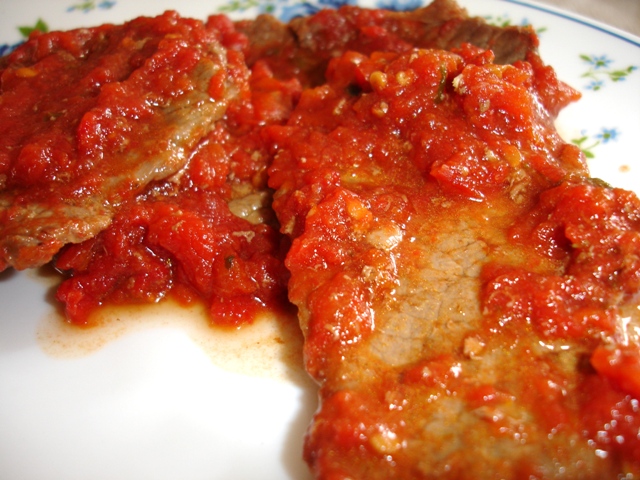
    No this isn’t a pizza with steak on it. Though it does sound like it! This is a typical Italian steak dinner. Not hard to make and can be made quickly after a long day at work. I would eat steak every night of the week if I could but this is a nice change from the plain grilled version. It’s Italian so how bad could it be! This is a southern Italian dish and oregano is the traditional herb used in it. If you can’t find oregano you can use 3 tablespoons of chopped parsley instead. Serve with a side of your favorite pasta if you want!

    INGREDIENTS:

    3 tablespoons olive oil

    4 thin sirloin or rump steaks (5-6 oz. each)

    2 cloves garlic, crushed

    1¼ pound tomatoes, chopped (or 28 ounce can whole peeled tomatoes)

    2 sprigs fresh oregano or 4 teaspoons dried

    3 tablespoons chopped basil or 1 tablespoon dried

    salt and pepper to taste

    DIRECTIONS:

    1. Heat the oil in a large skillet, add steaks and fry over high heat about 2 minutes each side.

    2. Add garlic to skillet, fry until fragrant, then add tomatoes, oregano, basil, salt and pepper. Cook 3-5 minutes, until tomatoes have softened and juices have reduces slightly.

    Makes 4 servings

    Andrea’s Tuscan Casserole

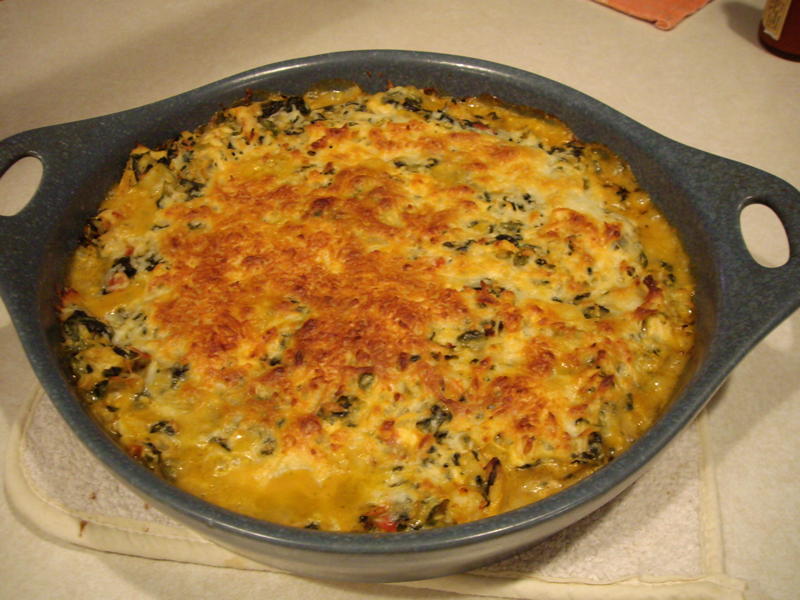
    This is a recipe that I posted back on Facebook in October 2009. It was created because I couldn’t figure out what to make that night and just put together what I found in the refrigerator. It was so good and filling and the leftovers were just as good of course! The ingredients aren’t written in stone so please omit what you don’t want or add something you think fits better! So sit down with a nice glass of wine and relax and pretend you are in Tuscany.

    Andrea's Tuscan Casserole


    Ingredients:
    1- 10-12 oz boneless, skinless chicken breast, sliced thin into strips or bite size pieces
    6-8 oz. uncooked large shrimp, peeled and deveined, and cut into pieces
    8 oz. approx. frozen, thawed spinach (doesn’t have to be drained)
    1 medium sweet onion chopped
    6-8 cloves garlic chopped (I like garlic so if it’s too much for you add less)
    2 large scallions, chopped (green and white parts)
    1 small tomato, chopped
    1- 8oz. package Shirataki Tofu Noodles (follow prep instructions on package/found in Produce organic section) or you can use your own cooked noodles.
    2 TBS or so light or regular sour cream
    1 wedge Italian Herb Laughing Cow Cheese
    1 cup shredded mozzarella cheese
    olive oil
    salt and pepper to taste

    Directions:
    – Heat oven to 350 degrees.
    – In a large saucepan heat oil and sauté onions till translucent, maybe about 5 minutes or so. Add garlic and scallions and sauté about 2 minutes.
    – Add chicken and cook till no longer pink.
    – Add spinach and mix thoroughly.
    – Add shrimp and tomato, stirring till all mixed.
    – Add Laughing Cow cheese and sour cream, mix well. Let cook a couple more minutes.
    – Add noodles, mixing well. Let cook about 3-4 minutes, stirring occasionally.
    – Add half of the mozzarella cheese till mixed in and starting to melt. Pour into casserole dish, round or whatever you have.
    – Sprinkle rest of mozzarella cheese on top of mixture and place in oven till mixture starts to bubble and cheese melts and browns a bit. About 15 minutes.

    Buying Fresh Fruits & Vegetables at Their Peak (Part 2)

    As promised here is the list of when it is the best time to buy fresh vegetables, when they are in season.  What are the best vegetable to buy now? Or in 3 months from now?  Right now in Florida where I live the corn is just starting to come out where in the north it won’t be at its best until August or September. I remember when we spent the summers in Maine as kids and we couldn’t wait for August because we’d go to the farm stands and get all of that delicious sweet yellow and white corn, fresh from the farms. It was so crunchy and sweet and you could eat 2 or 3 ears at a sitting without any problem.  Some vegetables are great all year-long which is a good thing! I hope this information helps out when you’re shopping. Another thing when you are buying items at their peak they are usually the best price as well. So keep that in mind as well! Happy shopping and eat your veggies!

    • Artichokes: March-May: Look for heavy, compact, plump globes. Large tightly closed, fleshy leaf scales. Good green color. Heavy for size.
    • Asparagus: March-June: Look for tightly closed buds. Straight, tender, rich green stalks. Open tips and angular or ridged spears are signs of over maturity.
    • Green/Wax Beans: April-October: Look for crisp, long, straight, blemish-free pods.
    • Lima Beans: April-August: Look for bright color for the variety. Crisp, dark-green, well-filled pods.
    • Beets: June-October: Look for firm, round, smooth, deep red-colored roots. Fresh-looking tops. Avoid those with long roots and rough, scaly areas on surface, because they are tough, fibrous and strong flavored.
    • Belgian Endive: October-May: Look for firm without bruises. Color should be white with greenish cast.
    • Broccoli: October-May: Look for firm, closed, dark-green florets. Firm, tender stalks. Yellowing green-colored heads of broccoli are over mature.
    • Brussel Sprouts: October-November: Look for miniature, compact, bright-green heads.
    • Cabbage: All Year: Look for well-trimmed, solid heads. Heavy for size.
    • Carrots: All Year: Look for firm, bright-colored, smooth, clean, well-shaped. Avoid rough, cracked or green-tinged roots.
    • Cauliflower: September-November: Look for bright-green leaves enclosing firm, closely packed creamy-white curd or florets. Avoid bruised or open florets.
    • Celery: All Year: Look for fresh, crisp branches. Light green to green color. Should not have wilted, rough look or puffy feel to the stalk.
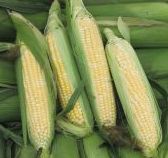
    • Corn: May-September: Look for fresh-leaved, green husks. Plump, milky kernels. Avoid cobs with small or large, dented or shrunken kernels.
    • Cucumbers: May-August: Look for bright, shiny green; firm; well-shaped.
    • Eggplant: August-September: Look for firm, heavy, smooth, even dark purple. Free of bruises or cuts.
    • Lettuce: All Year: Look for fresh green leaves with no wilted or bruised areas. Heading varieties of lettuce should be medium weight for size.
    • Mushrooms: November-April: Look for dry, firm caps and stems. Small brown spots or open caps are still good in flavor.
    • Okra: May-September: Should have tender, bright-green, bruise-free pods, less than 4½ inches long. Pale, faded, hard pods are tough and fibrous.
    • Onions: All Year: Look for well-shaped; hard; small necks. Dry paper skins. Free of green spots or green-depressed leathery areas. Crisp green tops. Two to three-inch bleached-white roots.
    • Parsnips: October-April: Should be small to medium size; smooth-skinned; firm. Decay and bruise free.
    • Peas: April-July: Look for well-filled, bright green. Swollen, light-colored or gray-flecked pods contain tough, starchy peas.
    • Peppers: All Year: Look for good shape; firm exterior; thick flesh and bright, glossy skin.
    • Potatoes (White): All Year: Should be fairly smooth; well-shaped; firm. Free of most blemishes. Avoid bruised, sprouting, shriveled or green-tinged.
    • Potatoes (Sweet): September-December: Look for thick, chunky, medium-sized with no bruises or decay. Should taper at the end.
    • Radishes: May-July: Look for medium-sized (¾-1 inch diameter); good red color; plump; round; firm; crisp. Bright-green tops.
    • Spinach: March-May: Look for large, bright, blemish-free leaves with good green color. Yellowing indicates the start of decay. Avoid leaves with coarse stems.
    • Squash (Summer): June-August: Look for bright color; smooth; glassy skin. Heavy for the size; firm; well-shaped.
    • Squash (Winter): September-November: Should be heavy for the size. Hard, good-colored, unblemished rind.
    • Tomatoes: May-August: Should be well-formed; blemish-free; plump. Over all rich red color and slight softness.
    • Turnips/Rutabagas: September-March: Should be small to medium size; smooth; firm; heavy. Few leaf scars at top and few fibrous roots at base. Purple-tinged white ones are turnips. Yellow-skinned, larger roots are rutabagas.

    Italian-Greek Salad

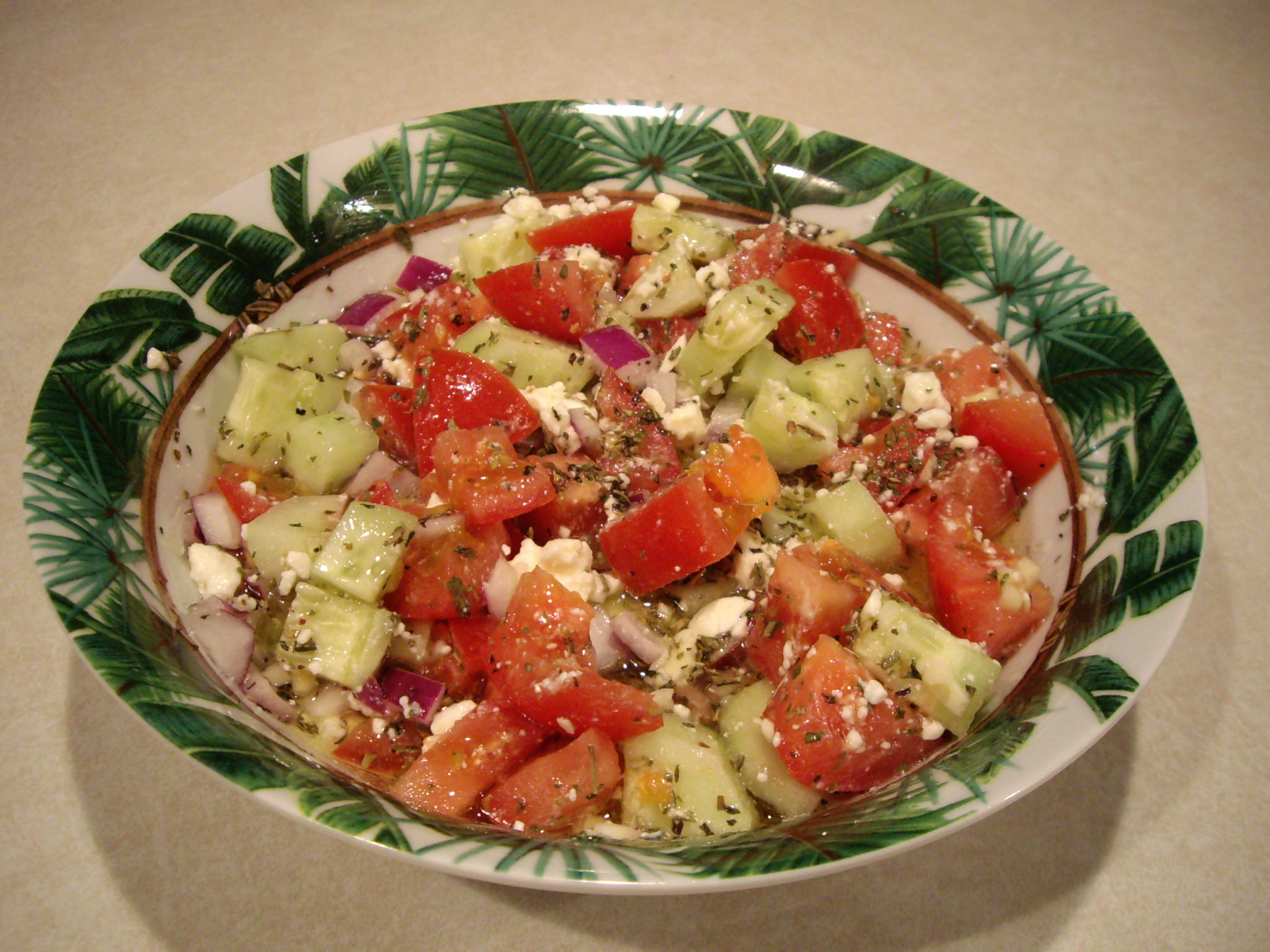
    Now that spring is here and the weather is doing it’s hardest to warm up a light refreshing side salad is always a good addition to any meal. This recipe I came up with combining Italian and Greek flavors. It’s an easy, quick salad that can be made last-minute. It goes great with beef, chicken, fish, burgers and so on. I have made many variations on this salad over the years. This recipe calls for feta cheese which makes it Greek but you can substitute the feta for mozzarella cheese as well. And for a little more fiber add some drained and rinsed garbanzo beans! It’s always a hit no matter what.

    INGREDIENTS:

    2 large plum tomatoes, cut into chunks.(You can usually get 10-12 chunks per tomato)

    ¼ cup chopped or sliced red onion (Add more if you like more red onion)

    1 cup peeled and diced cucumber

    1 large clove garlic, chopped fine

    1-2 tsp dried oregano

    1 tsp dried basil

    1 tsp dried parsley

    ¼-½ cup feta cheese crumbles (I also use the low-fat Feta, you can’t tell the difference)

    ¼ cup extra virgin olive oil

    3 TBS white wine vinegar

    salt and pepper to taste

    DIRECTIONS:

    1. Mix all ingredients in a large bowl, tossing well. Chill for 15 minutes or so. Serve!

    ** You can adjust the vinegar and olive oil if you feel it needs a little more of either.

    Serves 2-3

    Don’t forget Easter is just around the corner! Check out these free and easy last minute Easter tips!

    http://www.dinewithoutwhine.com/amember/go.php?r=9712&i=l13

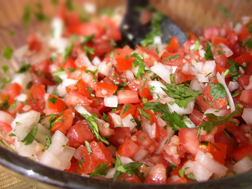
    Andrea’s Famous Salsa!

    Many years ago (19 actually) when I received my first food processor I had no idea what to use it for. I still have the same exact Cuisinart Little Pro Plus and it still works great! The first thing I attempted to make it in was salsa. I first followed the recipe that came with the food processor but I quickly changed it to make it my now famous salsa. I have to admit my first attempt at salsa was almost a complete disaster. It was my first time dealing with jalapeno peppers. Nobody told me how dangerous they can be if not handled properly! Needless to say after cutting the peppers and scooping out the seeds I rubbed my eyes! I can feel all of you wincing now. It was like being sprayed with pepper spray only worse. My entire face looked like I had severe sunburn! I couldn’t open my eyes for a while until I totally flushed them with water. They still stung and my face burned as well. The only thing I got to work on the burn to my skin was aloe vera gel! So after this incident I handled peppers with extreme care and wash my hands often and I NEVER touch my face again!! It was a sight for sure!

    So the following recipe is what I finally ended up with and I even sold it for a bit to friends and co-workers. It can be frozen also but I recommend draining it a bit once it’s thawed out as the tomatoes hold tons of water. This salsa can be used on pretty much anything you want. It stays pretty long in the fridge also, not as long as a jarred salsa but it’s so much better and fresh. You can also adjust the amount of peppers to your liking or even change the type of pepper. I usually stick to jalapeno peppers. I have tried it with Habanero peppers also but of course cut the amount down a great deal. Enjoy!


    INGREDIENTS:

    5 large ripe plum tomatoes, quartered

    1 small red onion (or 1 medium regular yellow onion)

    5 medium fresh jalapeno peppers, seeded (if fresh isn’t available jarred ones are fine, just not as fresh tasting)

    2 large cloves of garlic

    2 TBS dried cilantro (or 1/2 cup fresh chopped)

    1 tsp wine vinegar (red or white)

    salt and pepper to taste


    DIRECTIONS:

    1: Chop onion, garlic, cilantro and chili peppers in food processor. Transfer to a large bowl.

    2: Place the tomatoes in the food processor and coarsely chop. If you want larger chunks of tomato cut by hand. Add to bowl with mixture.

    3: Stir in vinegar. Add salt and pepper to taste. Mix thoroughly. Let sit for a couple hours for best results.


    TIPS:

    If salsa is too watery just drain in a colander.

    This is a very low-calorie snack. The carbs are from the veggies so they are good carbs and it’s virtually fat-free.

    Cruise Ship Recipes at Home

    How do I Make That?

    Rachael Ray

    It's Not Just Popcorn!

    Joanne Eats Well With Others

    It's Not Just Popcorn!

    Garlic Girl

    It's Not Just Popcorn!

    BuzzFeed - Tasty

    It's Not Just Popcorn!

    An Edible Mosaic™

    It's Not Just Popcorn!

    StephenKing.com - Latest News

    It's Not Just Popcorn!

    Food52

    It's Not Just Popcorn!

    Big Bear's Wife

    It's Not Just Popcorn!

    The Weekend Gourmet

    It's Not Just Popcorn!

    Skinnytaste

    It's Not Just Popcorn!

    What's Cooking at the Genua's?

    It's Not Just Popcorn!

    Chef in Training

    A great place to find easy, delicious and family friendly recipes.

    Simply Recipes

    It's Not Just Popcorn!

    It's Not Just Popcorn!

    Homemade In The Kitchen

    Small Batch Recipes and Recipes For Two

    overdeepblueseas

    OVER DEEP BLUE SEAS BLOG @ WordPress.com

    Sluggo's Escapades

    What's Sluggo up to today?

    RavieNomNoms

    A Girl, Her Blog, and Lots of Food Pictures!