Tag Archives: olive oil

Pesto #3: Spinach and Pine Nut Pesto

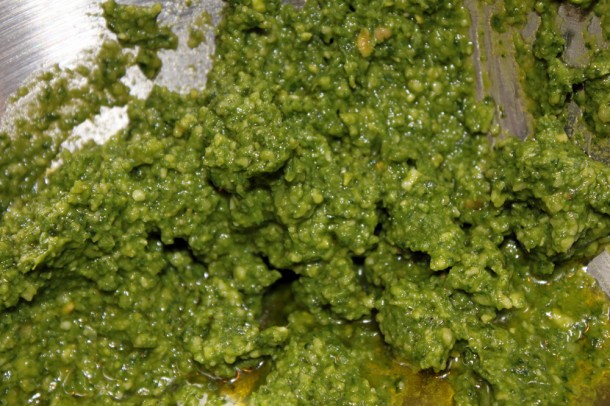
Spinach and pine nut pesto is almost the same as the basil pesto. It looks the same and tastes just as good. Basil can be expensive especially if you’re using a large quantity of it. But with the wonderful bags of washed, pretrimmed spinach making a spinach pesto is a snap. Using the bags saves so much time as well, you don’t have to keep cleaning it over and over to get all the dirt out of it. And there are sales almost all the time for the bags of spinach. Many of them are buy 1 get 1 free! So this is a more economical way to make a great pesto! This pesto is great with grilled chicken, pasta, anything!

INGREDIENTS:

2 cups (tightly packed) baby spinach leaves (about 2 ounces)

¼ cup toasted pine nuts

1-2 teaspoons grated lemon zest (from about 1 lemon)

2 tablespoons fresh lemon juice (from about ½ lemon)

1/3 cup extra-virgin olive oil

1/3 cup freshly grated Parmesan cheese

½ teaspoon salt, more to taste

½ teaspoon freshly ground black pepper, more to taste


DIRECTIONS:

1. In a food processor, combine the spinach, pine nuts, lemon zest, and lemon juice. With the machine running, gradually add the oil, blending until it is creamy.

2. Transfer the pesto to a medium bowl. Stir in the cheese, salt and pepper. Add more salt and pepper to taste. Cover and refrigerate.

Makes 1 cup. The pesto can be made 2 days ahead of time.

Italian Sauces (Part 1)

When most people think of Italian sauces they usually think of the tomato sauce, marinara sauce, alfredo sauce and probably white clam sauce. But there are so many more sauces out there  that are all wonderful in their own way. Growing up in my house my mother used to serve us a quick spaghetti meal we called Aiole. It was a basic olive oil and garlic sauce. Simple and fast and it was delicious. I am going to go through most of the basic sauces out there and hopefully put in some pictures so you know what they look like. I will have the second half of them next week so keep an eye open for them!

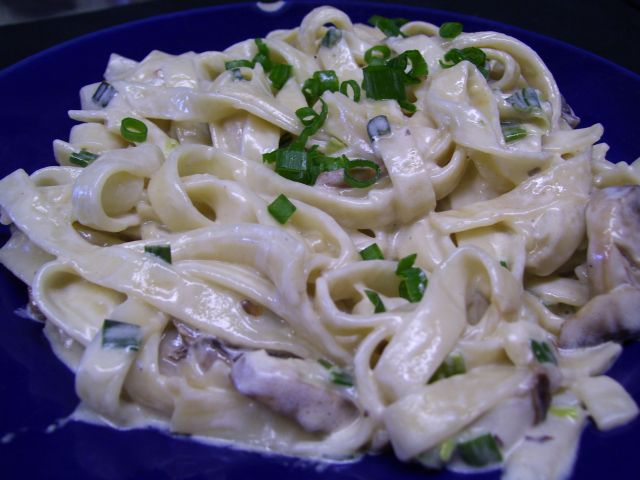
ALFREDO: Alfredo sauce is rich with heavy cream, butter, and freshly grated Parmesan cheese. It is best known when used with fettuccine. Love the sauce, hate the fat and calories! A luxury I must have every so often. You don’t have to limit it to fettuccine either, use it on any kind of pasta you want. Usually the heavier pastas do best. Throw some chicken or shrimp in there as well and it gets even better!

Fettuccine Alfredo

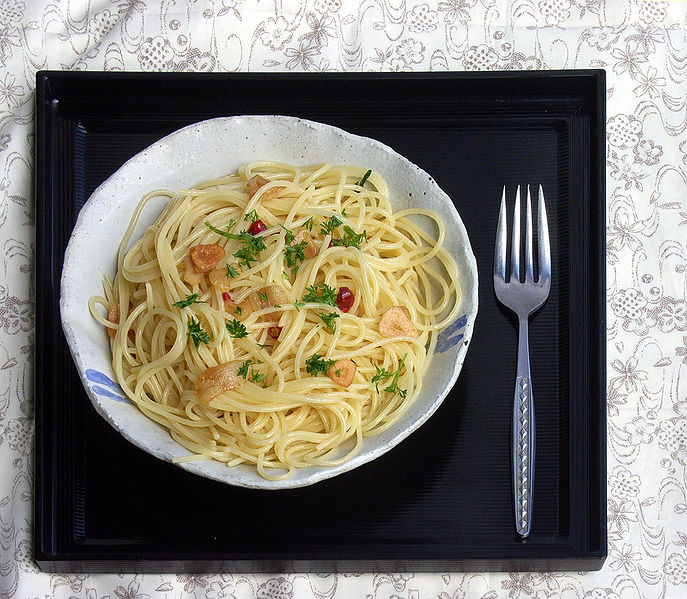
AGLIO E OLIO: This is a traditional Italian sauce (it’s what we called Aiole) that can be made on a budget. This is probably why we had it so often. It is said to have originated in the isolated region of Abruzzo but it is popular everywhere in Italy. It is usually served with spaghetti (that’s how we had it) and the sauce is made by lightly sautéing minced or pressed garlic in olive oil, sometimes adding dried red pepper flakes. You can also add finely chopped fresh parsley and parmesan cheese.

Aglio e Olio

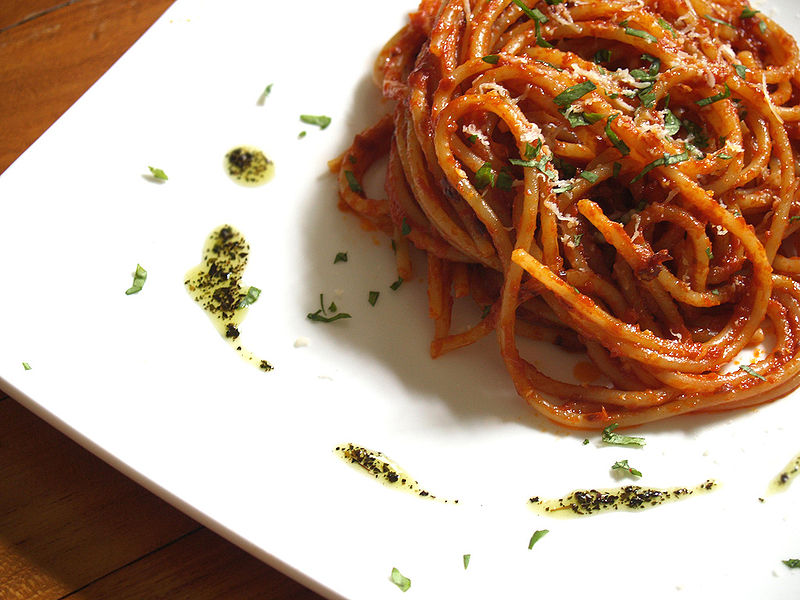
ARRABBIATA: Arrabbiata is Italian for “angry”. This is a zesty tomato based sauce that gets its heat from chili peppers. It is basically a Roman sauce of garlic, tomatoes, and red chili peppers cooked in olive oil. Basil is used sometimes though most chefs in Italy don’t use it. This dish is usually served with pasta and chopped fresh parsley sprinkled on top.

Spaghetti Arrabbiata

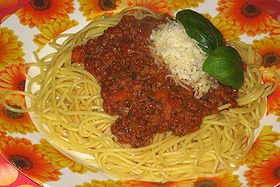
BOLOGNESE: Bolognese sauce is a robust meat sauce also known as ragù (no not the jar sauce!). It is a hearty sauce with ground beef or pork, pancetta, tomatoes, onions, garlic, carrots and celery. The sauce is sometimes enhanced by adding a little bit of wine, cream and seasoning. This sauce originated in Bologna, Italy where the natives traditionally serve it with freshly made tagliatelle and their traditionally green lasagna. Spaghetti alla Bolognese is a form that is popular outside of Italy which consists of a meat sauce served on a bed of spaghetti with a good sprinkling of grated Parmigiano cheese. What is really funny about this version is that it never really existed in Bologna, where the sauce is always served with tagliatelle or lasagna (egg pastas). Spaghetti is a durum wheat pasta from Naples.

Spaghetti Bolognese

CARBONARA: Carbonara is another popular sauce that is usually made with eggs, cream, Parmesan cheese and bits of bacon. Many times this sauce also has green peas in it as well. Usually served with spaghetti it is also used on fettuccine, rigatoni or bucatini. Recipes vary but all agree that cheese, eggs, cured fatty pork (pancetta) and black pepper are basic. Origins of this dish are obscure and it has many legends about it. It was created in the middle of the 20th century so it’s not that old as far as sauces go.

Spaghetti alla Carbonara

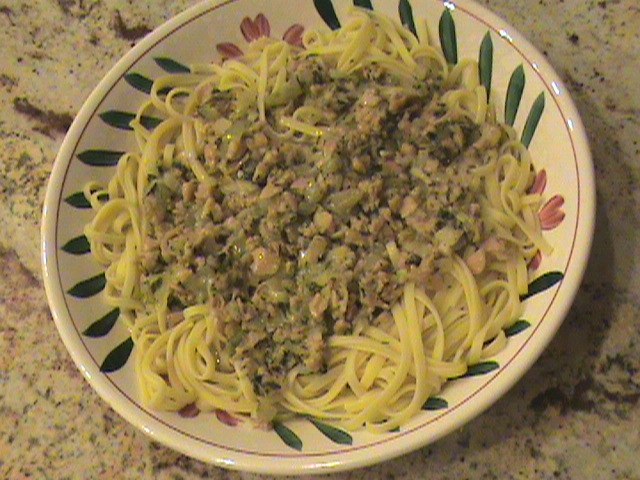
CLAM SAUCE: The most popular clam sauce is the white version. Usually served with linguine this popular sauce has minced clams, olive oil, garlic, lemon juice and parsley. There is also a thin tomato sauce with minced clams. You don’t usually see this recipe on menus much. Some versions use whole clams and hot pepper flakes.

Linguine with Clam Sauce

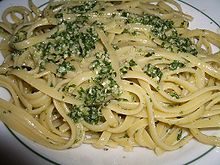
GENOVESE/PESTO: I don’t think I’ve ever really heard of a Genovese sauce before. Most of us know this sauce as Pesto. The name means it originates from Genoa (imagine that!), which is a coastal city in NW Italy. Genovese/Pesto sauce is an uncooked sauce traditionally made of fresh basil, garlic, Parmesan cheese, pine nuts and olive oil. It didn’t really become popular in North America until the 1980s and 1990s.

Fettuccine with Pesto Sauce

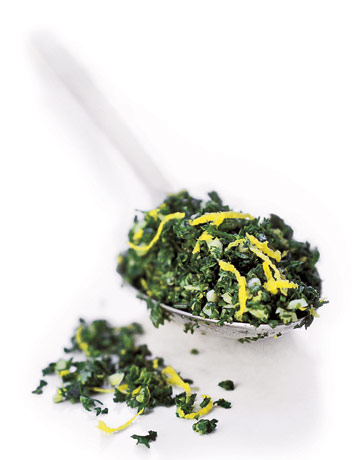
GREMOLATA: Ok here is another sauce I never heard of anywhere. It is more of a chopped herb condiment. It’s typically made of garlic, parsley, and lemon zest. Traditionally it’s used as an accompaniment to the Italian classic Osso Buco (braised veal shank). The citrus element in this actually makes it a great addition to seafood dishes as well!

Gremolata Sauce

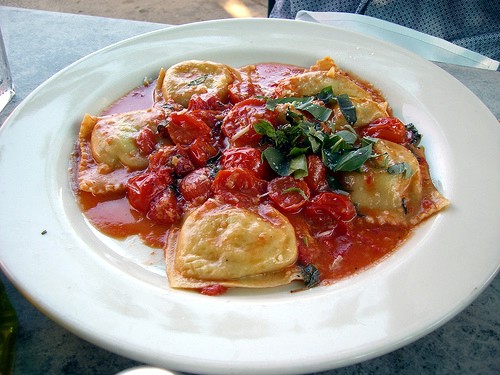
MARINARA: This is the classic Italian tomato sauce. It’s seasoned with onions, garlic and oregano, and basil. It’s a favorite on pasta, pizza and meats. This is another sauce that has many variations. Some of them even call for adding capers, olives and spices. Italians refer to marinara only in association with other recipes. Spaghetti alla marinara literally translates to mariner’s spaghetti. However, tomato sauce is called salsa al pomodoro which includes marinara sauce as well as other tomato-based sauce. Marinara sauce was invented by cooks aboard Neapolitan ships in the mid-1500s after the Spaniards introduced the tomato (a New World vegetable) to Europe! This is a very easy sauce to make and it resists spoiling due to the high acid content of the tomatoes. This is why it was ideal for lengthy sea voyages hundreds of years before we had refrigeration! This sauce is great on so many pastas as well as chicken, pork, veal, fish, you name it!

Ravioli Marinara

MORE SAUCES NEXT SUNDAY!!

Mediterranean Dip With Toasted Pita Chips

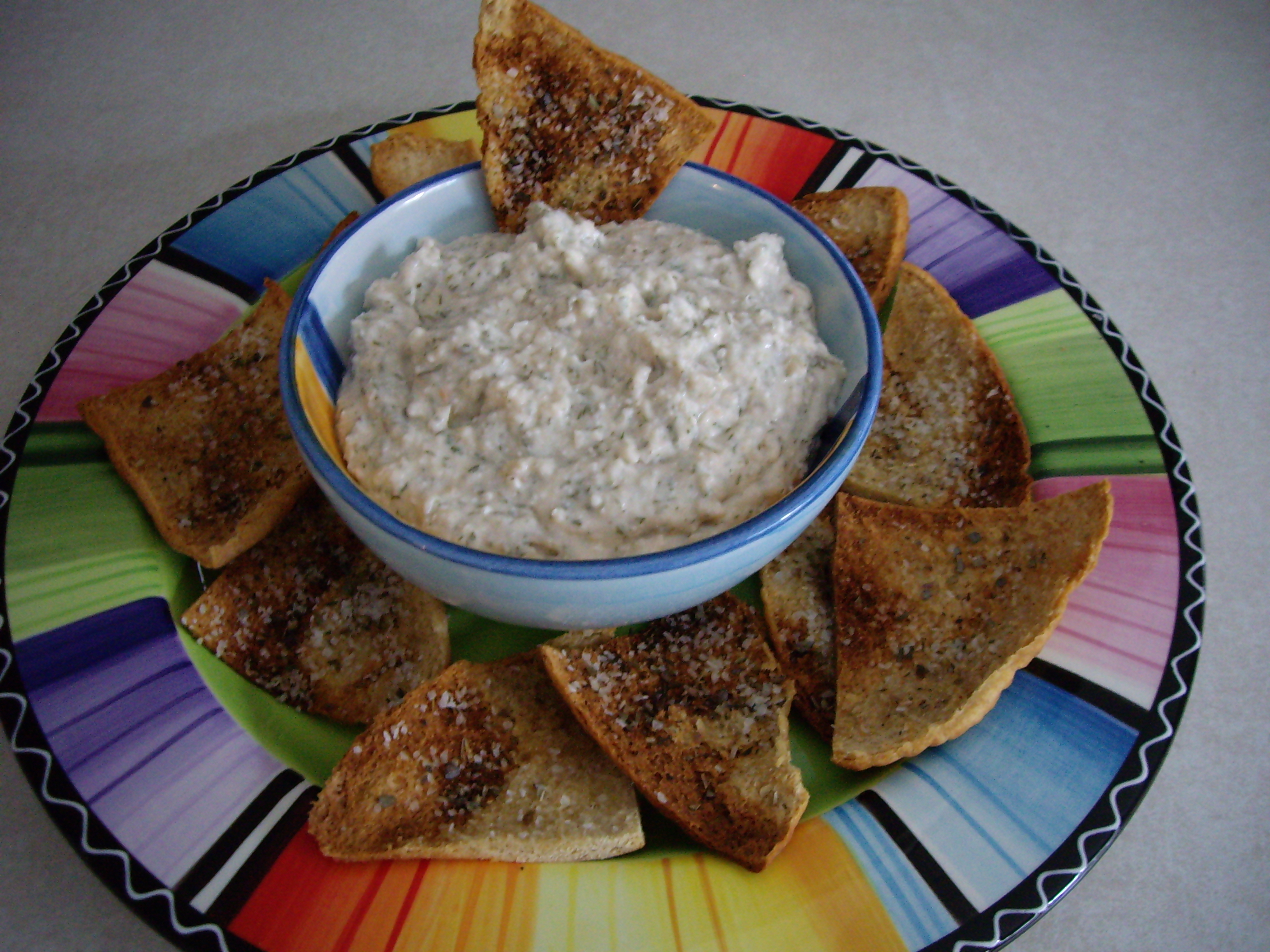
This dip is a little bit Greek and Italian, hence the Mediterranean reference. It’s a much healthier dip than the ones laden with mayonnaise and sour cream. Not that those dips aren’t good, it’s just that we can’t eat them all the time. This dip uses canellini beans which have fiber, a good thing. It can be served with toasted pita chips or crostini, or any sturdy chip. I will also include a recipe to make your own Toasted Pita Chips. It’s so easy! And if you use the low carb pita chips you can save more calories and add more fiber! But if you don’t have to worry about calories or fiber go all the way with the full fat stuff! (I wish I could!)

DIP

INGREDIENTS:

1 can (15oz.) cannellini beans, drained and rinsed

4 ounces feta cheese (I use light Feta)

1 container (6-7 oz.) plain Greek-style yogurt (any brand is fine)

1 tablespoon fresh lemon juice

¼ cup finely chopped fresh dill

1 large clove garlic, minced

coarse salt and freshly ground pepper to taste


DIRECTIONS:

1. In a food processor put the beans, feta cheese, yogurt, garlic and lemon juice. Puree until smooth.

2. Transfer to a bowl and add the chopped dill. Season with the salt and pepper as you like.

Serve right away or store in the refrigerator for up to 1 week.

Makes 2 cups


TOASTED PITA CHIPS

INGREDIENTS

8 Pita Rounds

olive oil

dried oregano

garlic powder

coarse salt and freshly ground pepper


DIRECTIONS:

1. Preheat oven to 350º. Split the pita rounds horizontally, then cut each piece in half. Or just cut into wedge shapes and separate the pita. Depends on how big you want the chips

2. Brush with olive oil and season with the oregano, garlic powder, salt and pepper.

3. Bake on a lightly sprayed cookie sheet, until golden brown, 12-15 minutes.

**UPDATE: 7/12/10** I just made this dip and chips. Delicious! So tasty and the chips came out great! Though I may have put too much salt on them, but then again, I love salt.

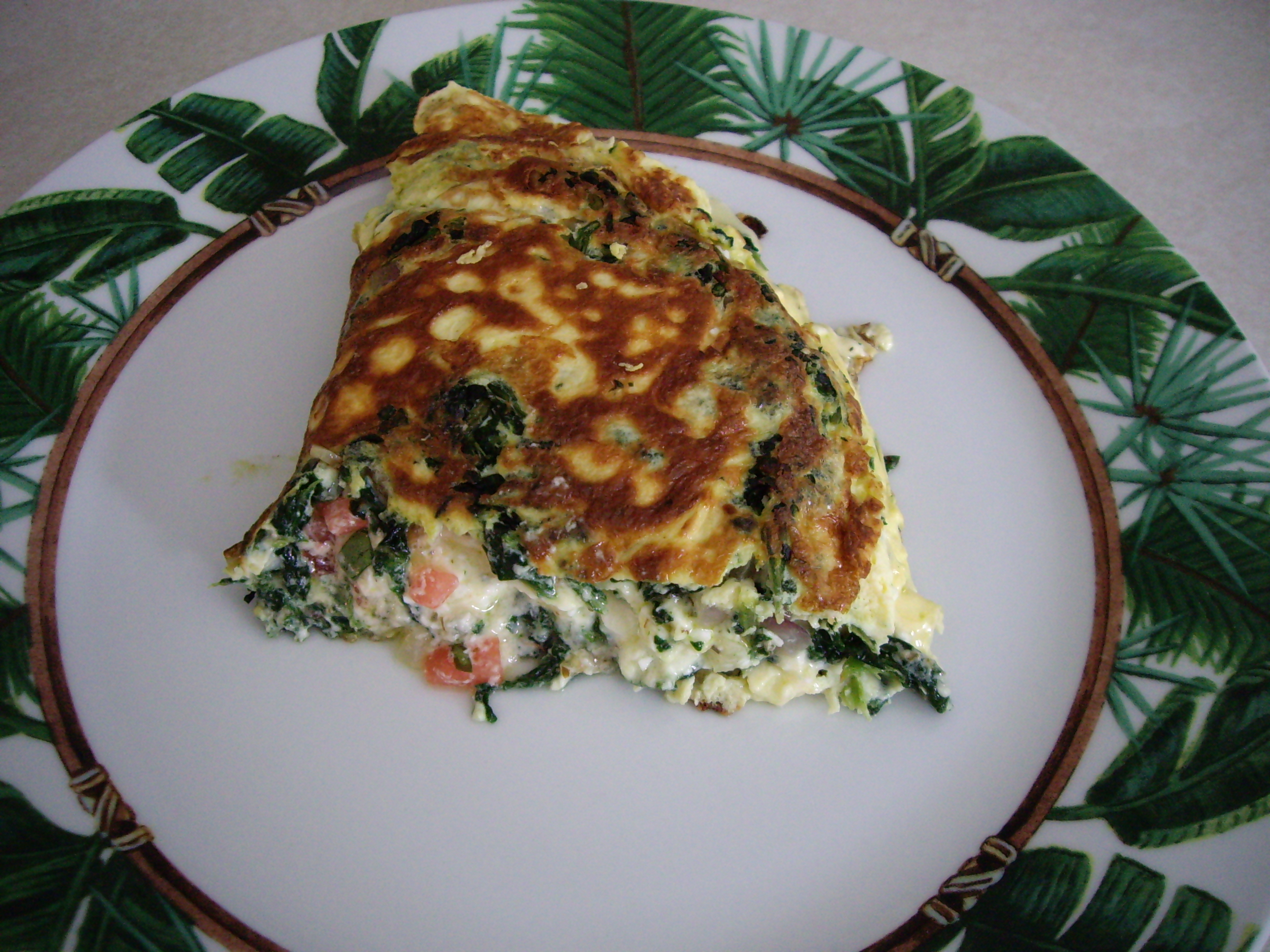
Mediterranean Omelette

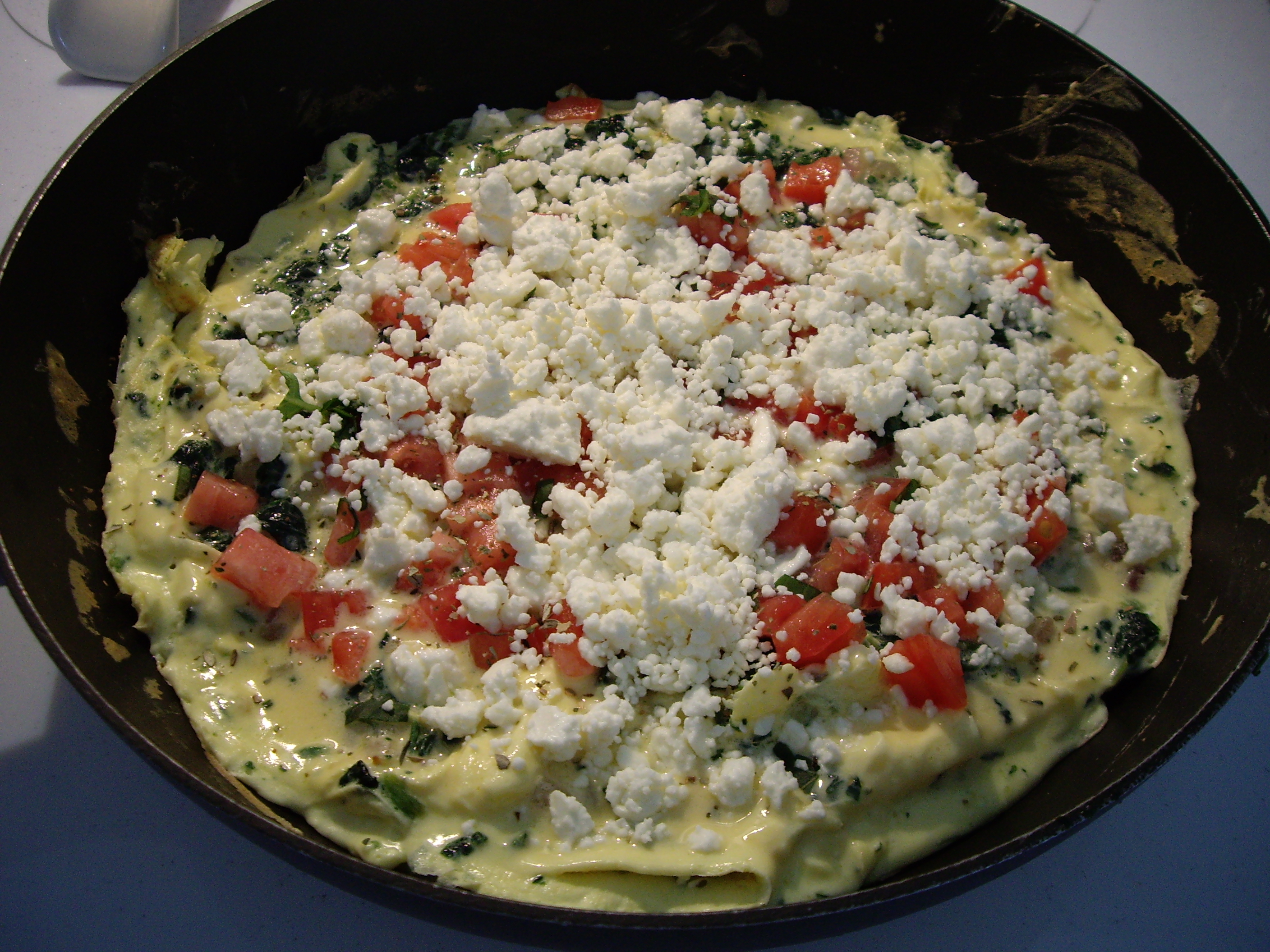
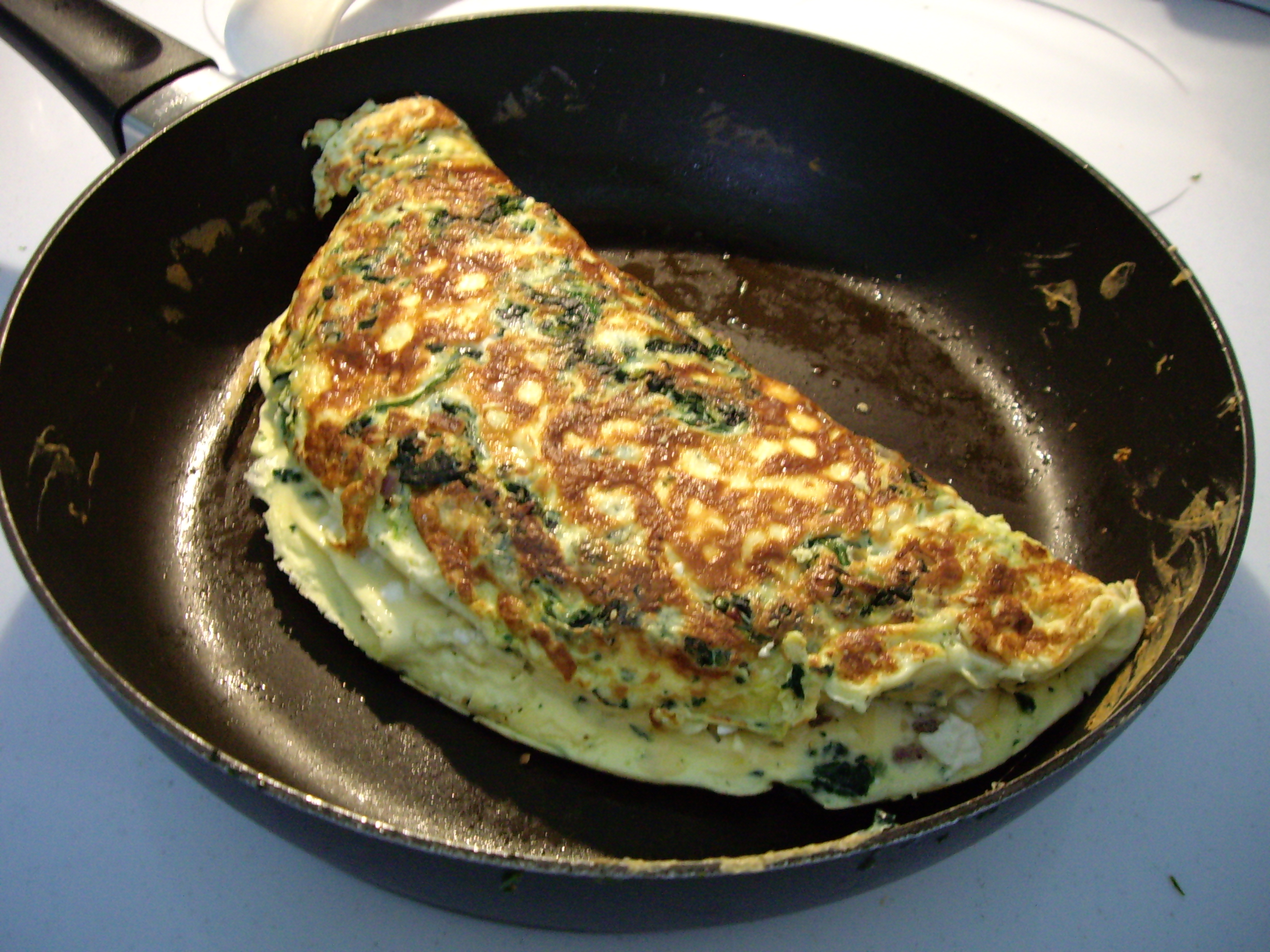
Last Sunday I started out making a Greek omelette then I added a few Italian ingredients and changed the name to Mediterranean Omelette. I used real eggs in this but you can, as always, use an egg substitute. Usually on the weekends I make egg salad for John but he likes it warm (yuck) and I like it cold. So this past weekend I decided to make a large omelette we could share. It was so good I wanted more. And I am not a breakfast person! Though the gyro omelettes we had in St. Augustine at Athena’s Greek Restaurant were incredible! Nothing like it anywhere! Ok I digress…This omelette was nice and easy and since we both liked all the ingredients I could make it in one pan and just split it.

INGREDIENTS:

4 large eggs

½ cup fat-free half and half

½ cup chopped frozen spinach, thawed and drained

1/3 cup red onion, chopped small

1/3 cup tomato, chopped small

1 clove garlic, chopped fine

1 teaspoon fresh basil chopped/torn

¼ teaspoon dried oregano

½ cup Light Feta Cheese (crumbled)

1 tablespoon olive oil

1 tablespoon butter/butter substitute

DIRECTIONS:

1. Beat the eggs and half and half till light and fluffy. Set aside.

2. Heat a medium skillet  and add butter and olive oil. Melt on medium heat till a little bubbly.

3. Add the onion and sauté till soft. (A few minutes) Add garlic and sauté a few more minutes.

4. Add the spinach and stir well into the onion and garlic, till warm. (a few minutes)

5. Add the egg mixture. Add the tomato and stir well.

6. Cook the eggs, letting the liquid run to the edges, constantly pulling edges away till almost all liquid is dry. Add the basil and oregano and feta cheese.

7. Gently fold over half the omelette and press gently to seal. If you wish to flip it go ahead, but this is a large omelette and it may be hard to do.

8. Cut in half and serve!

Serves 2

DON’T FORGET MY WEBSITE!!! www.cucinadiandrea.com

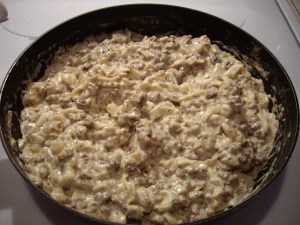
Stroganoff Genua Style

I know I have already posted a beef stroganoff recipe but this is a different version of that recipe. Most stroganoff uses stew meat and heavy cream and noodles. Not this recipe. In my version I substitute lean ground beef for the stew meat, fat-free half and half instead of cream and my favorite low-calorie noodle, Tofu Shirataki Noodles! It sort of looks like hamburger helper but tastes so much better. It is easy and doesn’t take a very long time to cook. I’m always looking for ground beef recipes other than meatloaf and chili and I found one.

INGREDIENTS:

1 pound ground beef

1 medium onion, chopped

2-3 cloves garlic, chopped

1 -15 ounce can cream of mushroom soup (or fat-free)

1 package Tofu Shirataki Noodles (Fettucine style) (prepare as package directs)

2 French Onion Laughing Cow Light cheese wedges, cut up

¼ cup light or fat-free sour cream

¼-½ cup fat-free half and half, use as needed to thin the sauce a little.

3 tablespoons olive oil

1 teaspoon dried basil

1 teaspoon dried oregano

1 tablespoon dried parsley

salt and pepper to taste


DIRECTIONS:

1. In a large saucepan sauté the onions in olive oil till they start to soften. Add the garlic and continue to sauté till light brown. Remove onions and garlic from pan and set aside.

2. Add ground beef to same pan and cook until brown. Drain off excess fat. Return the onion and garlic to pan as well as the basil, oregano, and parsley. Stir thoroughly.

3. Stir in cream of mushroom soup and the Laughing Cow cheese. Stir till the cheese is melted.

4. Add the sour cream and stir till mixed in. Add ¼ cup of the half and half. If needed add more of the half and half until sauce is thinned a little. It shouldn’t be too thick.

5. Add the prepared noodles and stir in thoroughly. Add salt and pepper to taste.

Serves 2-4

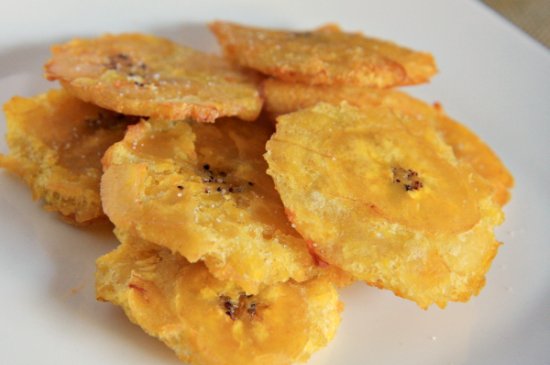
Plantain Tostones

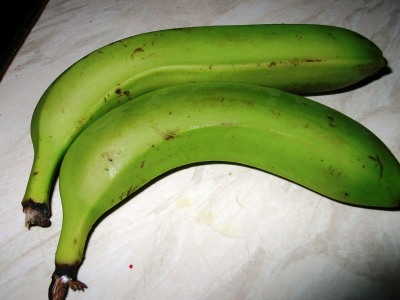
Growing up in our house we always had plantains. Or as we called them Plátanos. My mom made them mashed, fried, stuffed, you name it. I always remember we had to buy them green and then they got put into a brown paper bag from the supermarket (this is before plastic was around) and close up the bag and keep it in the oven (it wasn’t on) for days. Until they turned black! This meant they were ripe! The only time we didn’t ripen the plantains were when we were going to be frying them. For frying they needed to be very firm otherwise they’d fall apart in the oil. This recipe calls for them to be double fried. Cubans also make this recipe and sometimes serve with a mojo sauce. Puerto Rican style as was made in my house was just eaten as is with some salt on them. Like big thick plantain potato chips! I would make them more often if I wasn’t the only one eating them! They aren’t hard to do, it’s just time-consuming. So be brave and try a new dish! You won’t be disappointed!

INGREDIENTS:

3 green plantains

1 quart water

2 tablespoons salt

2 cups cooking oil or olive oil

DIRECTIONS:

1. Score the peel of the plantains lengthwise. Peel the fruit and then cut into diagonal slices 3/4″-1″ thick. Add salt to the water and soak the plantains in it for one hour.

2. Heat oil in a large pan or deep fryer to 325°. Drain the plantains and dry well with absorbent paper towels. Fry them in the hot oil for 1-2 minutes. This is to get a nice crisp shell on the plantains. Lower the heat and reduce the temperature to 275°. Continue frying for 10 minutes.

3. Remove the slices from the oil. Place on paper towels. Place each piece between two paper towels and mash flat with the palm of your hand or the bottom of a heavy glass.

4. Return the slices to the oil and fry until golden brown. Drain on paper and serve hot, sprinkle lightly with salt and eat!

Serves 8

The Italian Kitchen (Part 3)

Today’s post is all about what should be in an Italian Pantry.  By stocking your kitchen with a few basic ingredients you’ll be ready to prepare most Italian and Tuscan recipes. Our supermarkets are much better at carrying the ingredients than they used to be. But if there’s still something you can’t find, there’s always the “pork store.” You know the place, it always smells so good when you walk by. Basically any Italian specialty store will have anything you need. Remember, using high-quality ingredients at the best price you can get them at is crucial. The better the olive oil, tomatoes and cheese, the better the simple dishes will taste!

This list is just a basic list of what is found in most good Italian kitchens.

Olive Oil: An essential in Italian cooking. Stick with extra-virgin olive oil for most recipes.

Dried Pasta: Use pasta imported from Italy such as Barilla and DeCecco. For the most part any imported pasta products made from semolina flour are good choices. For egg pasta, stay away from the so-called “fresh” pasta sold in refrigerated cases. They aren’t so “fresh” as they would have you believe. Either use homemade or buy the dried noodles packaged in nests.

Tomatoes: When fresh, ripe tomatoes are not available, use good canned tomatoes (unless recipe specifically calls for fresh). Choose whole, peeled tomatoes rather than chopped or crushed. Imported Italian San Marzano tomatoes are the best if you can find them.

Onions and Garlic: Generally, white or yellow onions for cooking and red onions for salads and dishes that do not need cooking because they are milder. Garlic should not be an overwhelming presence.

Parmigiano-Reggiano Cheese: Expensive but worth it. Excellent grating cheese as well as a table cheese. Drizzle a little balsamic vinegar and olive oil over it and have it with some crusty Italian bread.

Cheeses: Cheeses are very important for Italian dishes. The basics like Parmigiano-Reggiano, Pecorino Romano, mozzarella, ricotta, and provolone are a good choice to have around.

Legumes (beans): Dried cannelini beans, lentils and ceci (Garbanzo/chick peas) are always good to have on hand. Canned beans work just as well especially if you’re in a rush.

Cornmeal: Use a medium textured cornmeal for polenta. Keep it in a tightly closed container and it will last for months. It’s also good for dusting the pan when making pizza.

Rice: Arborio is the most common in making risotto but others are used as well.

Balsamic Vinegar: There are many different balsamic vinegars. Depending on its age, it can be very expensive. You can use the inexpensive  one for salads as long as the quality is good.

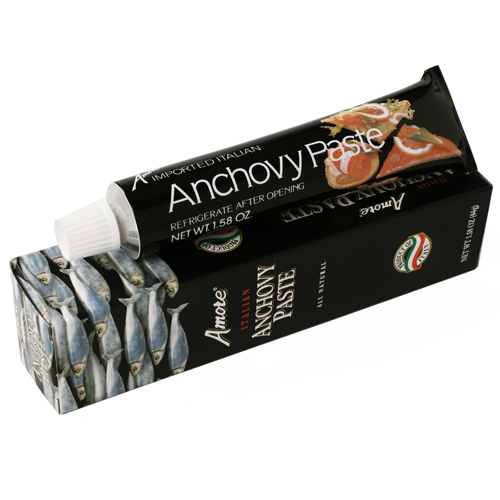
Anchovies: (I love these salty little buggers!)It’s good to keep a jar of these in the fridge to add a special zip to certain dishes. You can also find anchovy paste in a tube, which is milder in taste and very convenient to have. (I use the tube)

Dried Porcini Mushrooms: Look for packages that have slices of whole mushrooms. They can be a little expensive but a little goes a long way. Keep it in an airtight container and they’ll keep for a long time. If you rehydrate them, keep the water, strain it and use it to add some flavor and depth to soups, sauces and stews.

Capers: (My husband’s favorite) You can find two kinds of capers. The smaller ones that are pickled in vinegar, and the larger ones that come packed in salt. The larger ones are very flavorful and need rinsing of the salt before using. They are also harder to find. A few chopped capers can add a nice flavor addition to dishes that seem to need just a little something.

Olives: Both black and green varieties are good. If they are packed in brine and imported from Italy, even better. We like the stuffed ones. Stuffed with bleu cheese, anchovies, garlic, peppers…

Herbs and Seasonings: For the most part fresh herbs are preferred in everyday cooking, but this is hard to do and they are generally more expensive and can go bad quickly if not used. So always keep on hand dried herbs and seasonings. Keep dried oregano, rosemary, thyme, and sage. I also always keep garlic powder on hand. Whole black pepper to be ground at the moment of use, sea salt and red pepper flakes are also important to have in your pantry.

Flour: All-purpose flour is good to use for making pasta and pizza dough. Bread flour for cakes and semolina flour for pasta is also very useful.


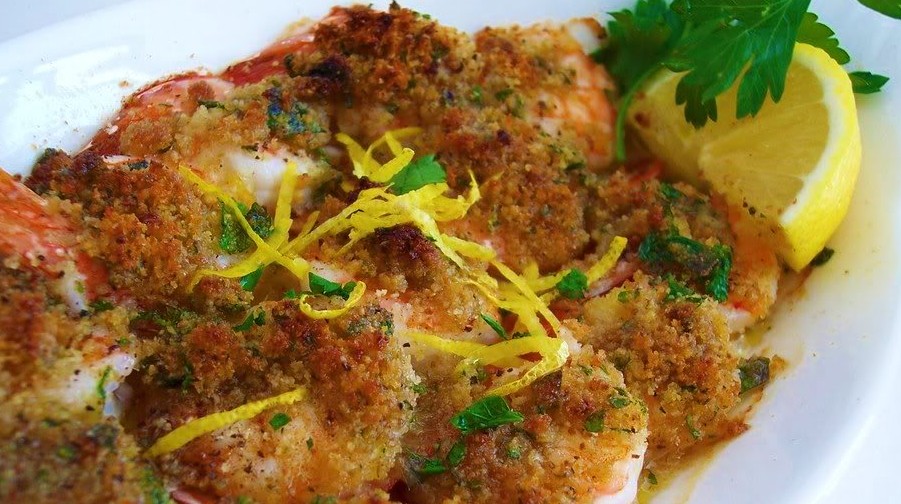
Baked Stuffed Shrimp (Shrimp Aragonate)

This dish can be used as an appetizer or as a side dish to steak for “surf and turf”. Double the recipe because I am positive these will disappear really fast. (Especially if our friend Andre is around! No shrimp is safe then!) You can use freshly made bread crumbs but most of us don’t have the time to do that these days, so I recommend using Italian flavored Panko breadcrumbs. They crisp up better and have a really great flavor also. This can be served hot or at room temperature.

Baked Stuffed Shrimp

INGREDIENTS:

1 cup Italian flavored Panko bread crumbs

1/3 cup chopped fresh flat-leaf parsley

4 large garlic cloves, finely chopped

About ¼ cup olive oil

1½ pounds large shrimp, shelled and deveined (tails left on)

2 large lemons, cut into wedges

salt and freshly ground pepper


DIRECTIONS:

1. Preheat the oven to 450ºF. Oil a large baking pan.

2. In a medium bowl, combine the bread crumbs, parsley, garlic, and salt and pepper to taste. Stir in ¼ cup olive oil, or just enough to moisten the crumbs.

3. Arrange the shrimp in the pan in a single layer, curling each shrimp into a circle. Spoon a little of the bread crumb mixture onto each shrimp.

4. Bake until the crumbs are browned and the shrimp are cooked through when cut in the thickest part, about 10 minutes.

Serve hot or at room temperature, with the lemon wedges.

Serves 6

Scallop Primavera

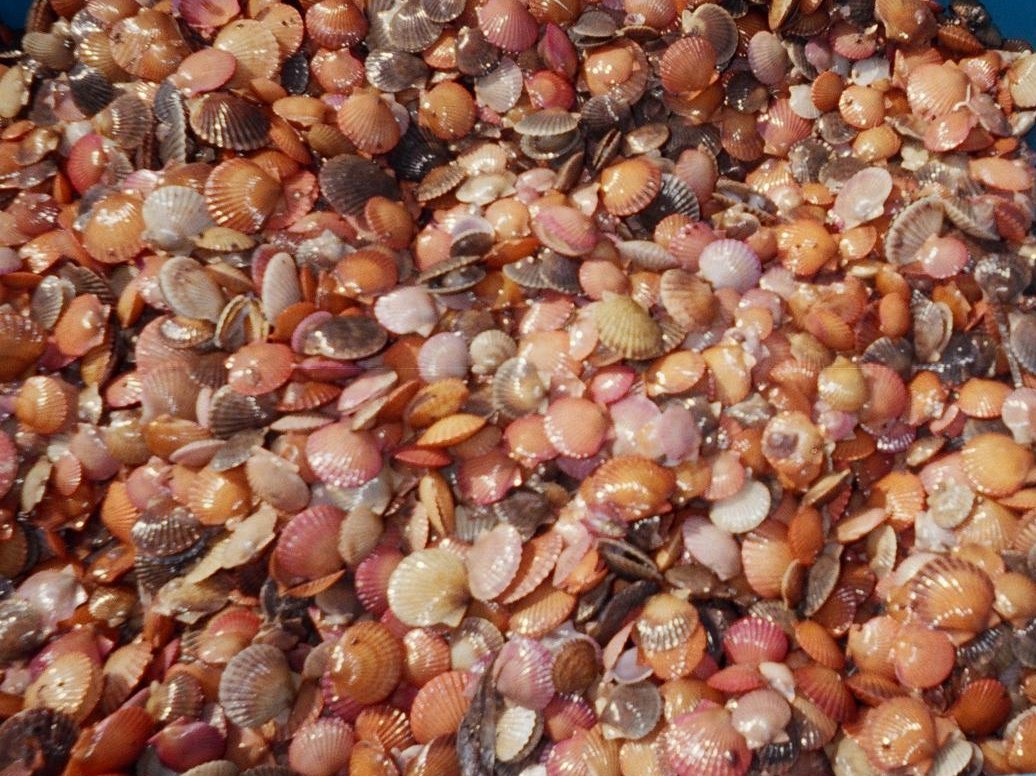
I am always looking for recipes for scallops. I really like the bay scallops better than the larger sea scallops. Mainly because you never really know if you’re actually getting real sea scallops. But the bay scallops are easy to keep frozen and have on hand when you’re in the mood. I came up with this recipe one day when I was cleaning out the fridge. I used carrots and broccoli in this but you can also use any other vegetable you want. If you don’t have any fresh veggies on hand a bag of mixed frozen vegetables will work just fine. I also like the broccoli/cauliflower mix for this recipe. If you are watching your carbs use a lower carb pasta or my favorite Shirataki Tofu Noodles. Or leave out the pasta all together and add more veggies. Another variation is to throw in some grated cheese of your choice and sprinkle the top with breadcrumbs and butter and bake it! I’m getting hungry just writing about this! Have fun with whatever you choose!

Scallop Primavera

INGREDIENTS:

1 pound bay scallops

2 cloves garlic, minced

2 carrots, peeled and sliced

2 cups broccoli florets

10 oz. can of cream of chicken soup, reduced fat or fat-free

1 tablespoon olive oil

½ pound  pasta (elbows, small shells, cavatelli, spaghetti, your choice) cooked and drained

salt and pepper to taste

1 teaspoon dried basil

½ teaspoon oregano

1 tablespoon parsley

Parmesan cheese, if desired

DIRECTIONS:

1. In a large saucepan sauté the garlic in the olive oil. Add the scallops and sauté for about 5 minutes. (Don’t overcook). Remove scallops from pan and set aside.

2. Add carrots and broccoli to pan and sauté for about 10 minutes until vegetables are tender, not mushy.

3. Add the cream of chicken soup and stir well. Cook for about 5 minutes and add the scallops back into mix. Toss to coat.

4. Add the cooked pasta and mix thoroughly. Cook a couple more minutes till heated through.

Serve with parmesan cheese for topping if you want.

The Italian Kitchen (Part 2)

Today’s  post on The Italian Kitchen is going to be a glossary of some basic Italian kitchen ingredients. Most of them will be familiar to everyone but this will give a little information about each of them.

Arborio Rice: Risotto is usually made with this Italian rice, though other rice can be used. Risotto is Arborio rice that is browned first in margarine, butter, or oil, then cooked in broth. The finished rice has a creamy consistency and a tender, but slightly firm, texture.

Artichokes: You should look for firm, compact globes that are heavy for their size. They should yield slightly to pressure and have large, tightly closed leaves. Sometimes you’ll see leaf edges that are darkened. This is because the plant got too cold but it does not affect the quality. To store, keep fresh artichokes in a plastic bag in the refrigerator for up to a week. To prepare an artichoke, cut off the bottom stem so it sits flat. Cut off about 1 inch from the top. Remove loose outer leaves. With a pair of kitchen shears, snip ½ inch from tips of leaves. Brush cut surfaces with lemon juice to prevent browning.

Balsamic Vinegar: This sweet, dark brown vinegar is made from the boiled-down juice of a white grape. According to Italian law, balsamic vinegar labeled as “aceto balsamico tradizionale” cannot contain any wine vinegar and must be aged at least 12 years. These vinegars can sell from $40-$350 per 4 ounces!! Less expensive balsamics blend wine vinegar with the grape juice. This is what most of us buy at the supermarket. If you can afford the expensive stuff go ahead and splurge.

Basil: My favorite Italian herb by a long shot! Love how this smells! The aroma and flavor of this herb range from peppery and robust to sweet and spicy. It’s leaves can be various shades of green or purple. The leaves can be used in dried or fresh form. The fresh form is amazing but always keep the dried on hand!

Garlic: The ultimate Italian ingredient! As I’ve said before, you can never have too much garlic! The plant  of this strong-scented, pungent bulb is related to the onion. Besides fresh garlic bulbs, you can also use dried. Some people use jarred minced garlic. I don’t recommend this. Garlic comes in the form of garlic powder, garlic salt, and garlic paste. Leave the bulbs whole, once you separate them they tend to dry out. Garlic should be kept in a cool, dry, dark place and used within 6 months. I planted garlic cloves once and they really grew! Pretty cool!

Italian Parsley: Italian parsley has flat, dark leaves and a milder flavor than the more familiar curly leaf parsley.

Mushrooms: Porcini– the most prized wild mushrooms in Italy, have large, meaty, slightly rounded caps that may be white or reddish-brown. The stems are fleshy and wider at the bottom. Another mushroom in Italy is the Crimini/Portobello (Italian brown or Roman), which has the same shape as a regular button mushroom but is light tan to dark brown with a deeper, earthier flavor. When the mushrooms are small they are Crimini. Once the Crimini is fully matured it is a Portobello. To clean, brush mushrooms with a soft brush or damp paper towel. Store them in a paper bag until ready to use. Serve within a couple of days. If you can’t find the fresh version of what you want, look for the dried form. You can add fresh or rehydrated mushrooms to soups, sauces, salads, appetizers, pasta dishes, and entrees.

Olive Oil: No Italian kitchen is complete without a bottle of olive oil. I remember my mother always had one of those gallon type cans in the kitchen when we were growing up. Too expensive now to buy that huge can! The quality of olive oil is classified by the level of acidity, taste, and aroma. Olive oils higher in acidity can be rectified or treated with chemicals to lower the acidity, but are called refined, not virgin.  Olive oil has the same amount of calories that other oils contain–120 calories per tablespoon. But olive oil is highly unsaturated and has been suggested as a healthier alternative to more saturated fat or oils. Additionally, olive oil is a highly flavored oil, so you can use much less than oils with lighter flavors.

Types of Olive Oil

Extra-virgin olive oil is the best grade of olive oil; it meets Italy’s highest standards for rich and fruity olive taste with very lowe acidity (less than 1%)

Virgin olive oil has an acidity between 1 and 3 percent and a lighter taste and aroma. It is considered to be slightly inferior in quality to extra-virgin olive oil.

Pure olive oil is filtered twice after a single cold-pressing to lighten the oil’s color and aroma and lessen the acidity. It has a delicate flavor and a low acidity.

Cold-pressed olive oil is obtained by pressing the fruit. No heat or solvents are used, therefore it is called “cold-pressed.”

Extra-light olive oil refers only to the oil’s flavor, not to the calories it contains compared to the other olive oils.

Olives: Italians prefer to use ripe olives rather than the unripe green variety. Although ripe olives in America are usually black, the color of Italian ripe olives can vary from purplish red and brown to jet-black. They are packed in oil or brine, which may be flavored with herbs or citrus pee. Taste olives before serving. If they’re too salty, rinse them under cold running water. They can become bitter if overcooked, so allow them just enough time to heat through when adding to a cooked dish.

Pancetta (pan-CHEH-tuh): Pancetta is the Italian version of bacon. It’s made from the belly or pancia of a hog. Pancetta has deep pink stripes of flesh similar to bacon. Pancetta is seasoned with pepper and other spices, and is cured with salt, but it’s not smoked. It comes in a sausage-like roll or flat and is used to flavor sauces, vegetables, or meats.

Pesto (PES-toh): I love pesto. It’s so easy to make yourself too. Much better than those jarred ones in the store. It’s a pasty sauce of olive oil, garlic, fresh basil, and Parmesan cheese. It is usually served with pasta.

Pignoli Nuts (Pine Nuts): This is a unique and tasty little “nut”. They can be really expensive too but I’ve found it at a few places that won’t break the bank. The pignoli is a small seed from one of the several pine tree varieties. The pine nut, which has a sweet, faint pine flavor, is commonly known as pignoli or pinon. The small, creamy white nut can be slender and pellet-shaped or more triangular. Pine nuts turn rancid quickly, so keep them in the refrigerator in an airtight container for up to two months or freeze them for up to six months.

Polenta (poh-LEN-tuh): This is an Italian-style cornmeal mush (as I used to call it as a kid). It’s made by boiling a mixture of cornmeal or farina and water. Polenta usually is served with tomato sauce as a side dish, or it can be served without sauce as a bread substitute. It’s eaten as a thick porridge or can be molded, sliced, fried, or boiled.

Prosciutto (proh-SHOO-toh): I love prosciutto. Maybe it’s the salty flavor. (I am the Salt Monster after all, so my husband says!) Like ham, it’s from the hog’s leg. Salt curing draws out the moisture, a process called prosciugare in Italian. But unlike ham, the cured pork is air-dried, not smoked. (Probably another reason I like it so much). The result is a somewhat sweetly spiced, rose-colored meat that has a slight sheen. Parma ham is the authentic prosciutto of Italy. They are designated as prosciutto cotto (cooked) or prosciutto crudo (raw). The raw is cured, however, so it’s ready to eat. Use small amounts in pasta, sauces, and meat dishes. Add it to cooked dishes at the last-minute so it doesn’t get too tough. I love it around melon. Like most Italian weddings, prosciutto is served wrapped around a slice of cantaloupe or honeydew melon. Delicious!

Risotto (ree-ZHOT-toh): This rice dish consists of broth-cooked rice, butter, cheese and other bits of meat and/or vegetables. Risotto Milanese (from Milan) are always also flavored with a little saffron. I love risotto also. But it’s a treat for me because it’s so high in calories.

Tomatoes: Italian cooks mainly use two kinds of tomatoes. The long plum or Roma tomatoes are usually used for cooking because they have fewer seeds, firmer flesh and thicker juice. I use them is salsa also. The round eating tomatoes are best in salads, appetizers, or anywhere fresh tomatoes are needed. To ripen, store firm tomatoes at room temperature in a bowl or even in a brown paper bag. DO NOT PUT TOMATOES IN THE REFRIGERATOR!!!! This takes away most of the flavor and removes the helpful antioxidants. I only refrigerate when I cut them and have some left over. Though this doesn’t happen often!

    Cruise Ship Recipes at Home

    How do I Make That?

    Rachael Ray

    It's Not Just Popcorn!

    Joanne Eats Well With Others

    It's Not Just Popcorn!

    Garlic Girl

    It's Not Just Popcorn!

    BuzzFeed - Tasty

    It's Not Just Popcorn!

    An Edible Mosaic™

    It's Not Just Popcorn!

    StephenKing.com - Latest News

    It's Not Just Popcorn!

    Food52

    It's Not Just Popcorn!

    Big Bear's Wife

    It's Not Just Popcorn!

    The Weekend Gourmet

    It's Not Just Popcorn!

    Skinnytaste

    It's Not Just Popcorn!

    What's Cooking at the Genua's?

    It's Not Just Popcorn!

    Chef in Training

    A great place to find easy, delicious and family friendly recipes.

    Simply Recipes

    It's Not Just Popcorn!

    It's Not Just Popcorn!

    Homemade In The Kitchen

    Small Batch Recipes and Recipes For Two

    overdeepblueseas

    OVER DEEP BLUE SEAS BLOG @ WordPress.com

    Sluggo's Escapades

    What's Sluggo up to today?

    RavieNomNoms

    A Girl, Her Blog, and Lots of Food Pictures!